No more manufacturing downtimes
Get started with your project07 February 2025
3 Risks of Contract Manufacturing
Collaborating with contract manufacturers can offer businesses cost efficiencies, specialized expertise, and scalability. However, this partnership is not without its pitfalls. Below, we explore 3 recurring challenges companies face when outsourcing production - and how to mitigate them.
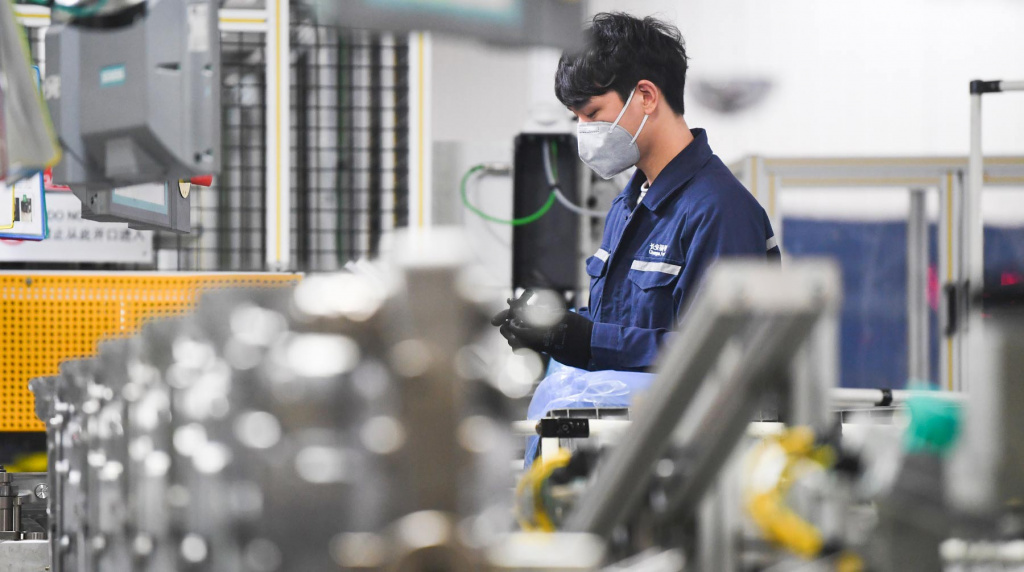
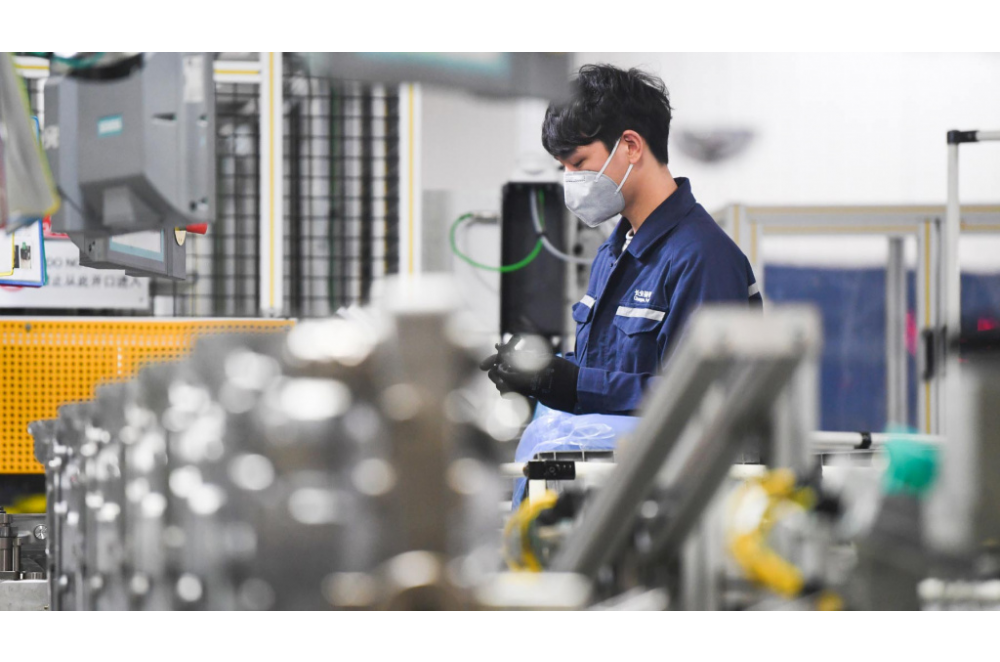
1. Quality Control Issues
Differences in quality standards between brands and CMs often lead to defects, recalls, or customer dissatisfaction. For example, a manufacturer might prioritize speed over precision, resulting in subpar products that damage the brand’s reputation. Implementing rigorous quality assurance protocols, conducting regular audits, and aligning expectations upfront are critical to avoiding these risks.
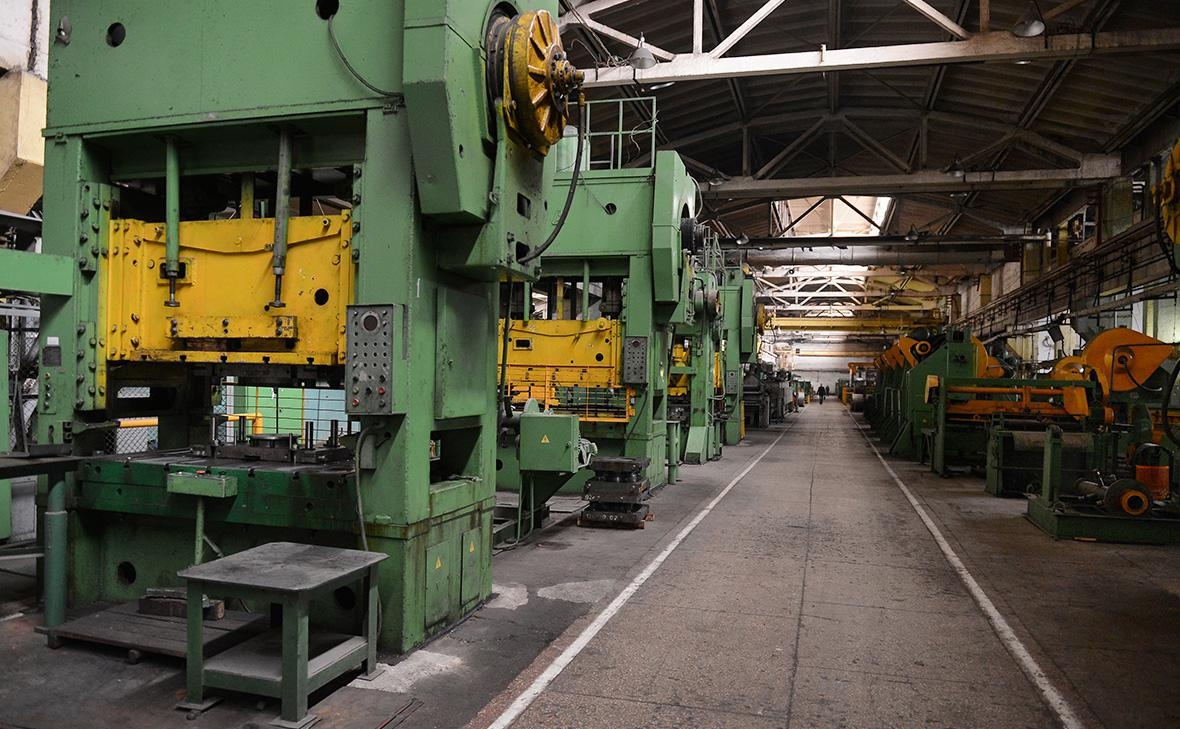
2. Production Delays
CMs may cut corners to avoid overtime labor costs, causing missed deadlines. Seasonal demand spikes or equipment breakdowns exacerbate delays. Include liquidated damages clauses in contracts and maintain open channels for progress updates to hold CMs accountable.
3. Lack of Transparency
Some CMs fail to report production deviations promptly, making it difficult to trace defects. A food brand, for instance, might discover contamination only after products reach retailers. Demand access to real-time production data and insist on incident reporting protocols.
While partnering with contract manufacturers unlocks growth opportunities, businesses must proactively address these challenges. Strategies like thorough due diligence, clear contracts, robust communication, and contingency planning can turn potential risks into competitive advantages. By fostering collaborative relationships and maintaining oversight, companies can ensure their outsourcing partnerships drive long-term success
Are you a contract manufacturer yourself?
Take this advice and explore new possibilities with MDCplus. What you get - capacitiy from the thin air, along with more efficiency from the same equipment.
Ready to increase your OEE, get clearer vision of your shop floor, and predict sustainably?
Other articles
14.08.2026
How Do You Build a Mobile Dashboard Plant Managers Actually Use?
Building a mobile-first Tailwind PWA for plant managers: what belongs on a phone screen, offline behavior, push notifications, and prompts for an executive manufacturing dashboard
Read more
13.08.2026
How Do You Create Manufacturing KPI Widgets with Cursor and v0.dev?
Using v0.dev to generate manufacturing KPI widgets and Cursor to wire them into an existing dashboard repo: the two-tool workflow, prompts for scrap rate and MTTR/MTBF, and integration pitfalls
Read more
12.08.2026
How Do You Build a 3D Shop Floor Map Driven by Live PLC Data?
Building a 3D shop floor map with React Three Fiber: preparing CAD geometry for the web, mapping PLC tags to mesh colors, performance limits, and when 3D is the wrong choice.
Read more
11.08.2026
How Do You Design an Andon Display For Shop-Floor Using AI?
Prompting UI/UX for shop floor Andon displays: type scale for distance viewing, colorblind-safe status coding, glare and glove constraints, and prompts that produce factory-ready screens
Read more
10.08.2026
How Do You Get Live OPC UA Machine Data into Retool?
How to vibe-code a Retool custom component that streams live OPC UA machine data over WebSockets: the bridge service, security boundaries, and prompts for each layer
Read more